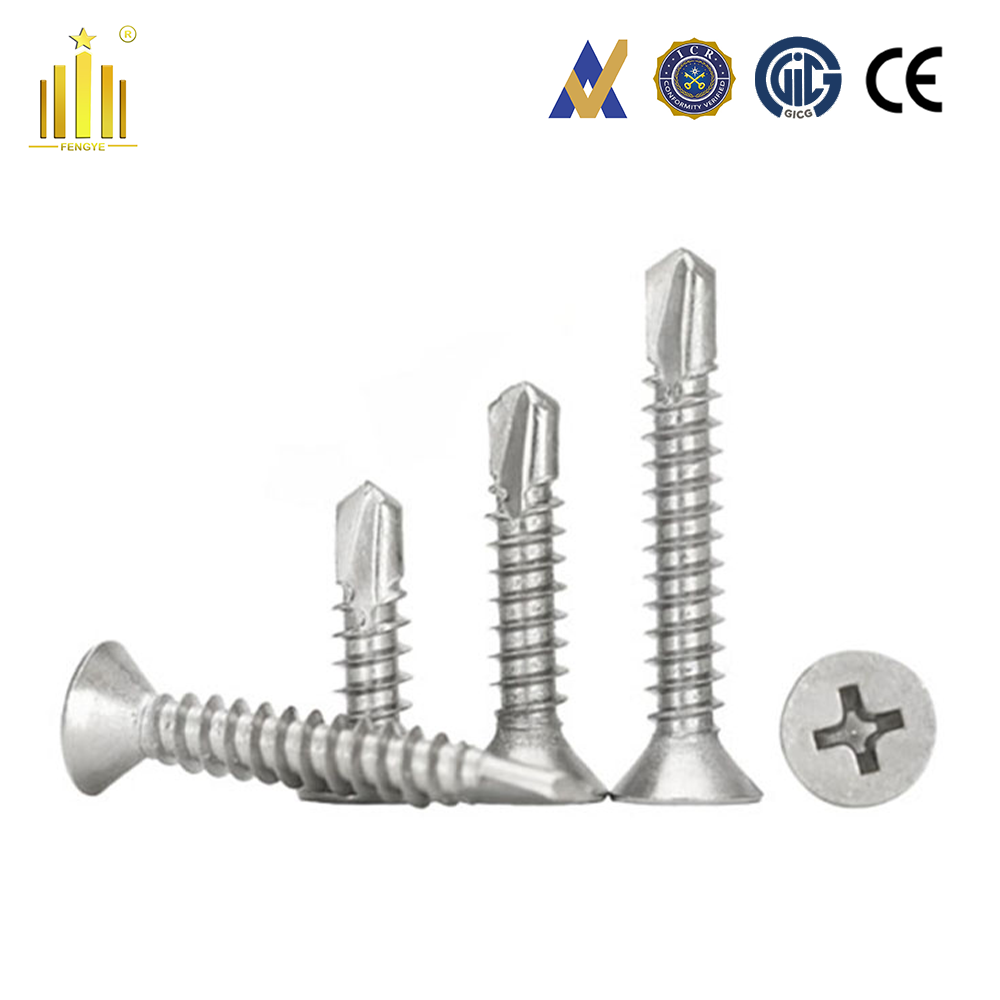
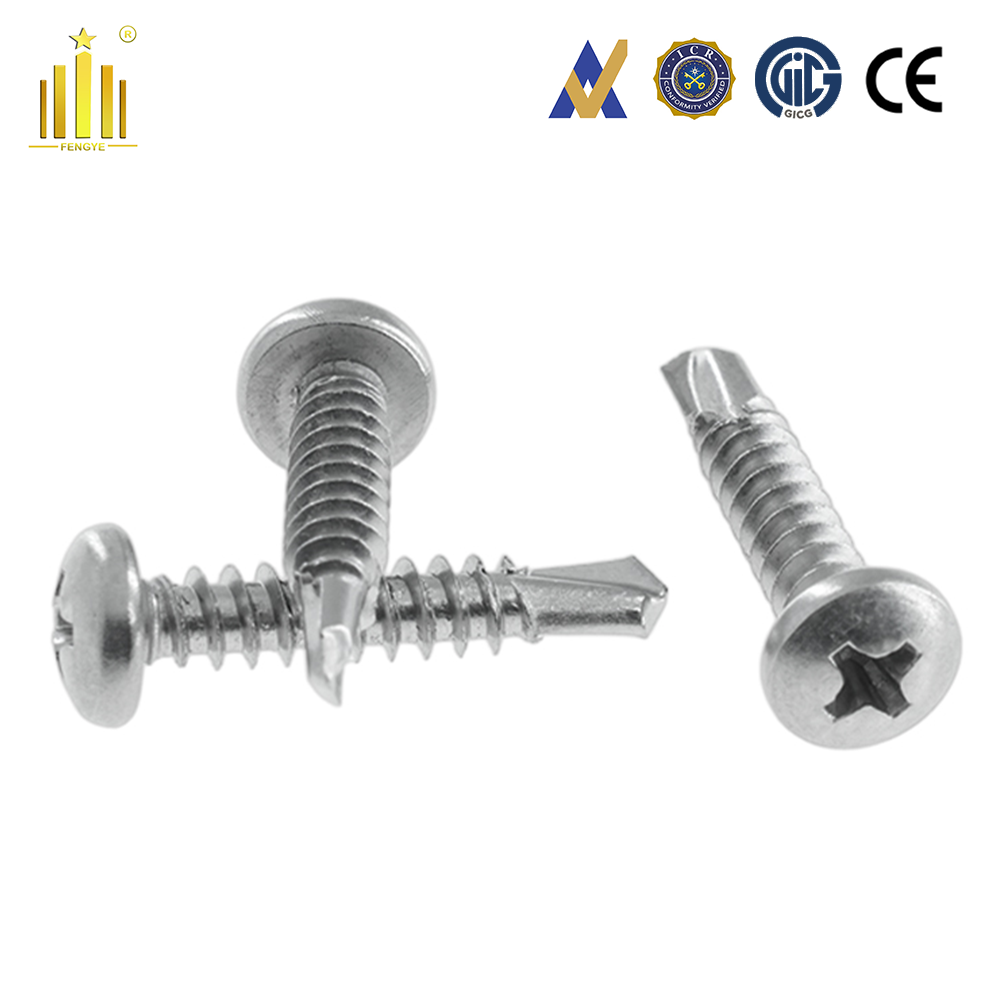
Standard parts, also known as fasteners in the market, are a category of mechanical parts for fastening connections and have an extremely wide range of applications. Fasteners feature a great variety of types and specifications with diverse performances and applications, and they are highly standardized, serialized and generalized. Therefore, fasteners that comply with national or industrial standards are referred to as standard fasteners, or standard parts for short.
The requirements for specifications, dimensions, tolerances, weight, performance, surface condition, marking method, as well as inspection, identification and packaging of various fasteners are specified in different national and industrial standards, which are mainly divided into imperial, German and American standard systems.
Fasteners are widely used basic mechanical components. Since China's accession to the WTO in 2001, the country has grown into a major international trader. A large number of domestic fastener products have been exported worldwide, while foreign fastener products have continuously entered the Chinese market. As one of China’s major import and export products, aligning the fastener industry with international standards is of great practical and strategic significance for domestic fastener enterprises to go global and fully participate in international cooperation and competition.
Types of Standard Parts
Fasteners are generally classified into the following 12 categories:
-
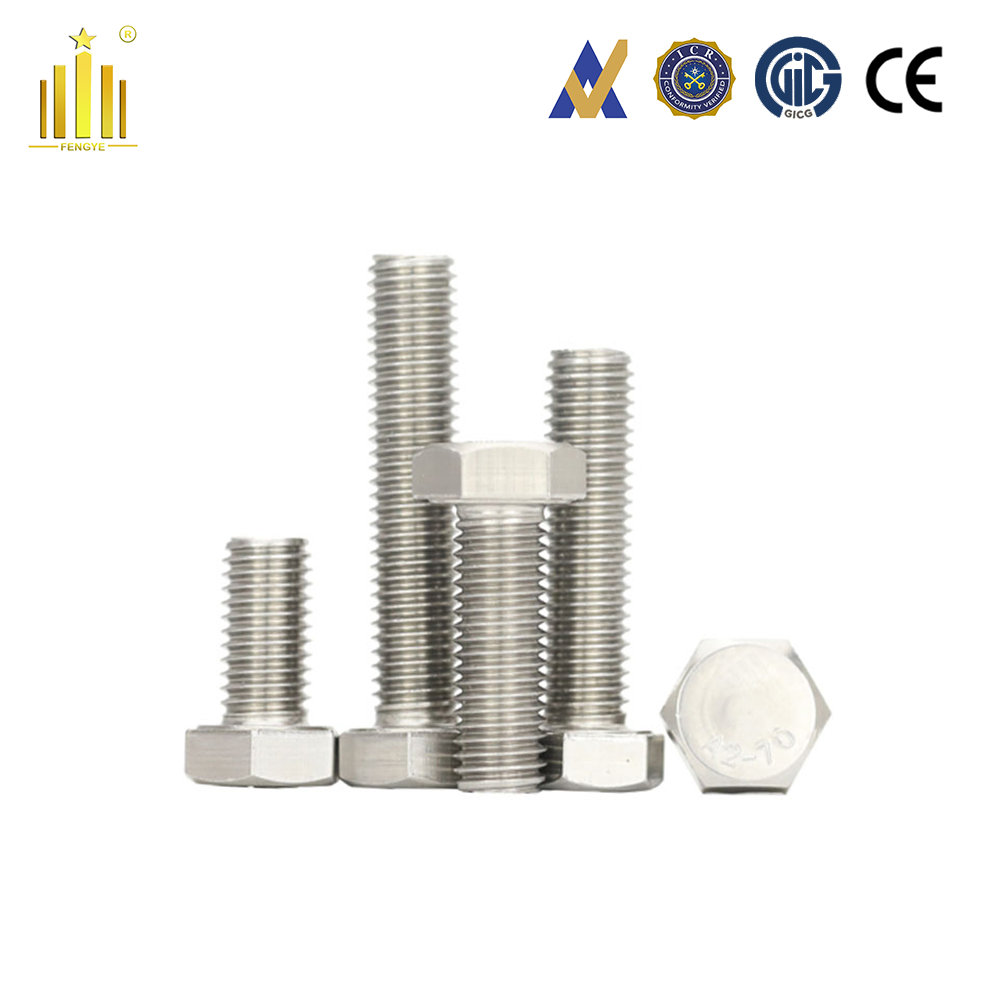
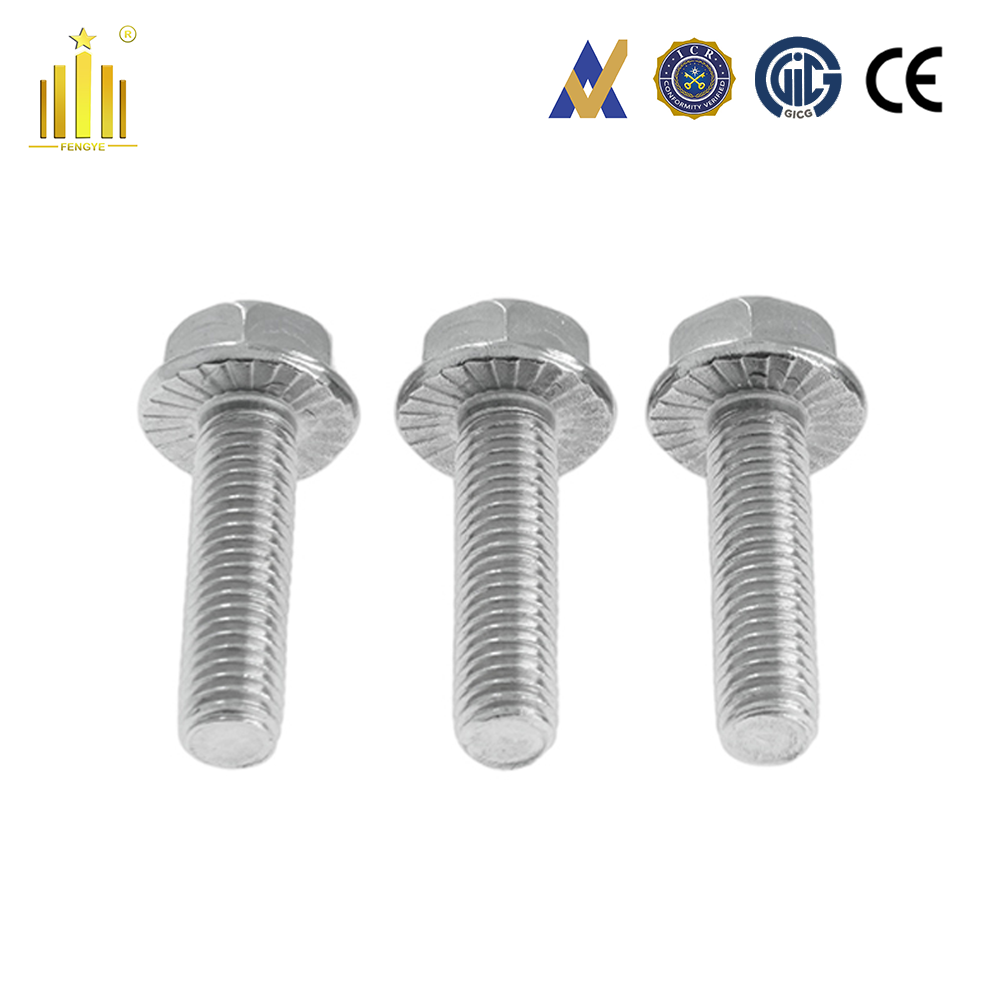
Bolts
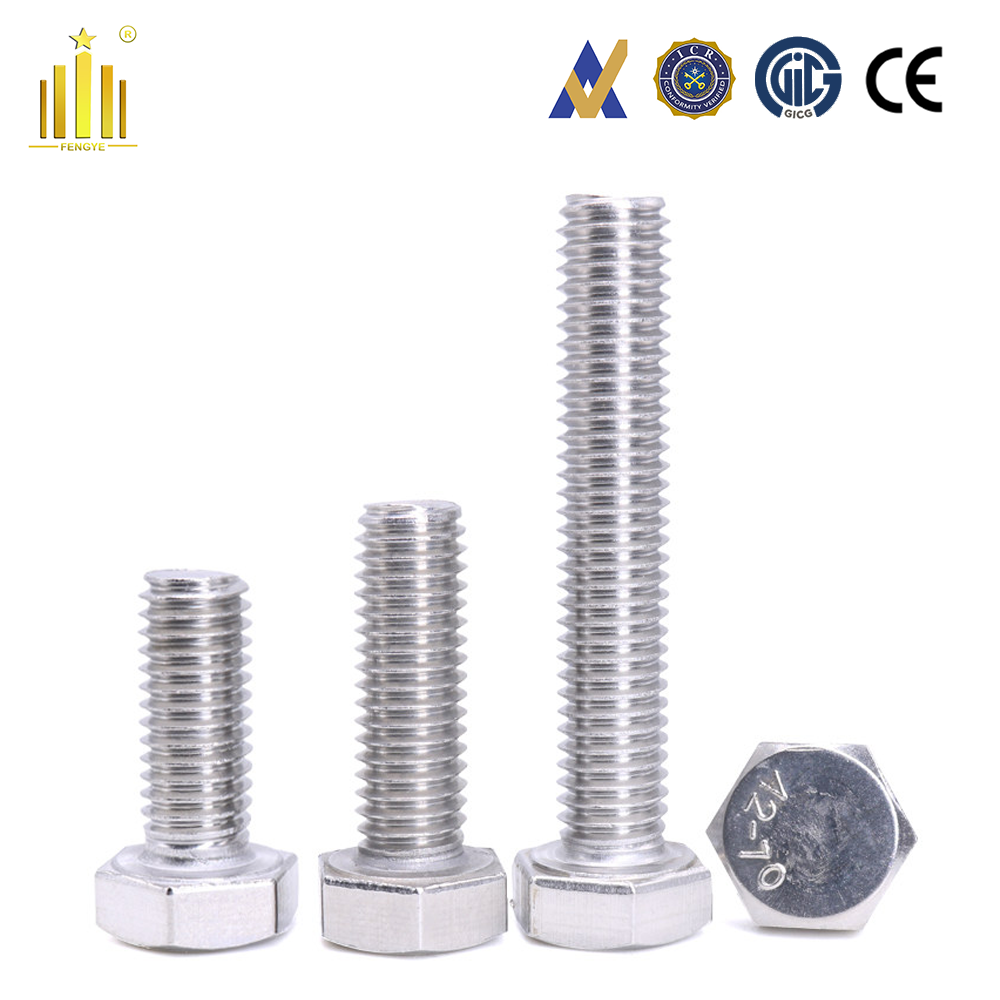
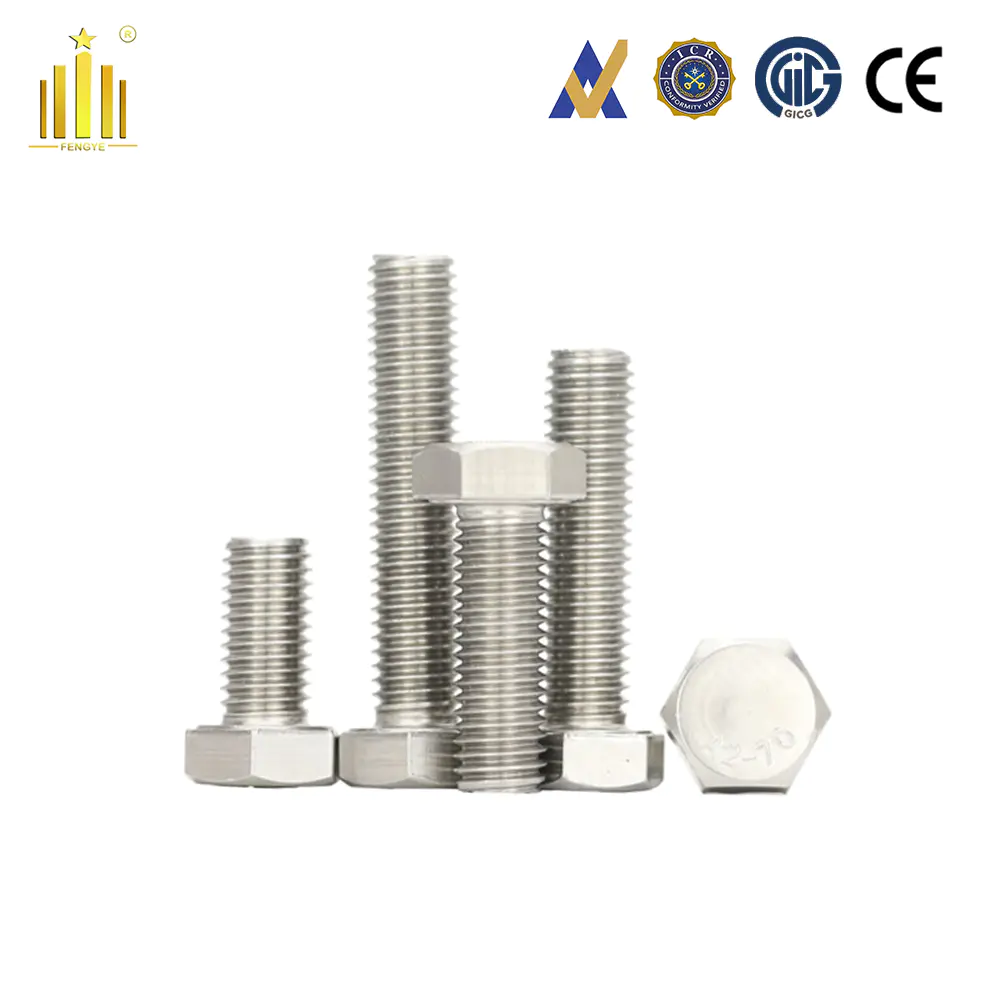
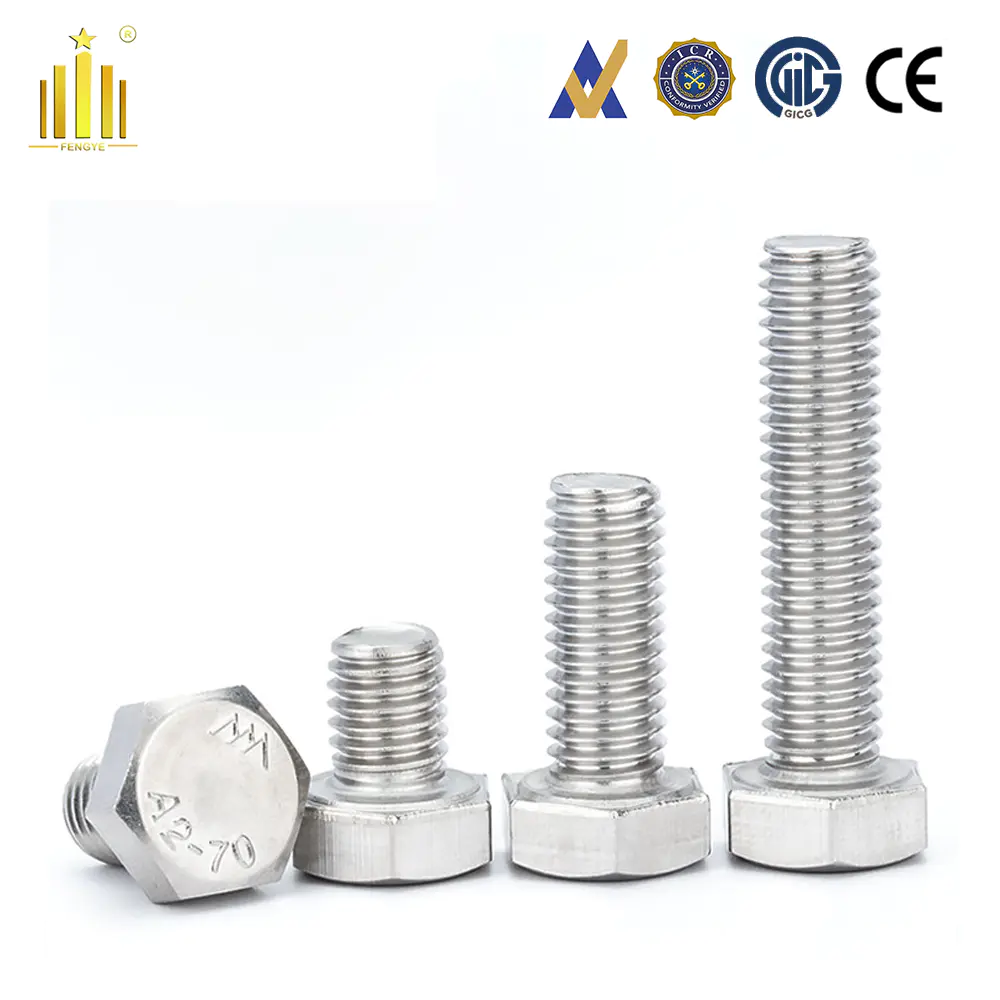
Consisting of a head and a threaded shank (cylinder with external threads), bolts are used with nuts to fasten two parts with through holes. This joining method is called bolted connection, which is detachable as the two parts can be separated by unscrewing the nut.
-
Studs
Studs have no head and are threaded at both ends. During assembly, one end is screwed into a component with an internally threaded hole, and the other end passes through a part with a through hole before a nut is tightened to fasten the components together. This is called stud connection, which is also detachable. Studs are mainly applied where one connected part is relatively thick, compact structure is required, or frequent disassembly makes bolts unsuitable.
-
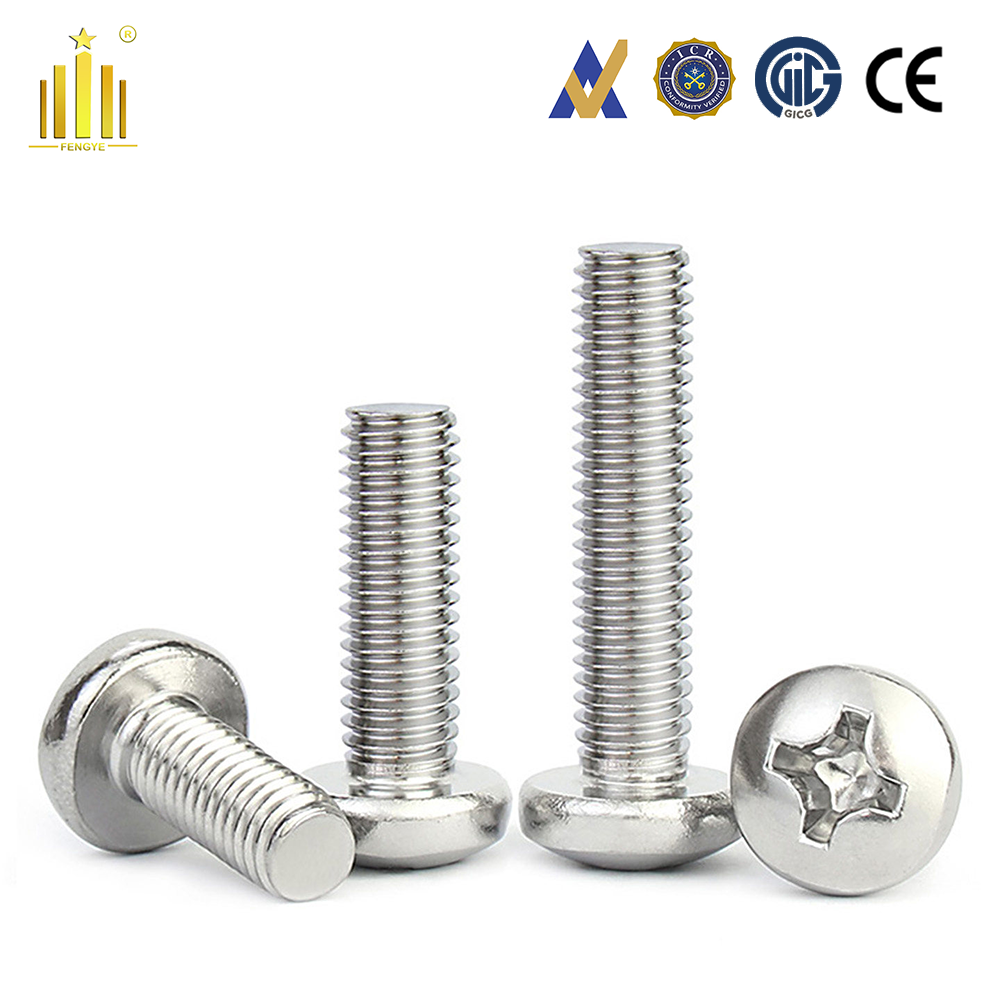
Screws
Composed of a head and a threaded shank, screws fall into three types by application: machine screws, set screws and special-purpose screws. Machine screws are primarily used to fasten a threaded component and a part with a through hole without nuts; they can also work with nuts to connect two holed parts, forming a detachable screw joint. Set screws are used to fix the relative position between two components. Special-purpose screws include lifting eye screws for component hoisting.
-
Nuts
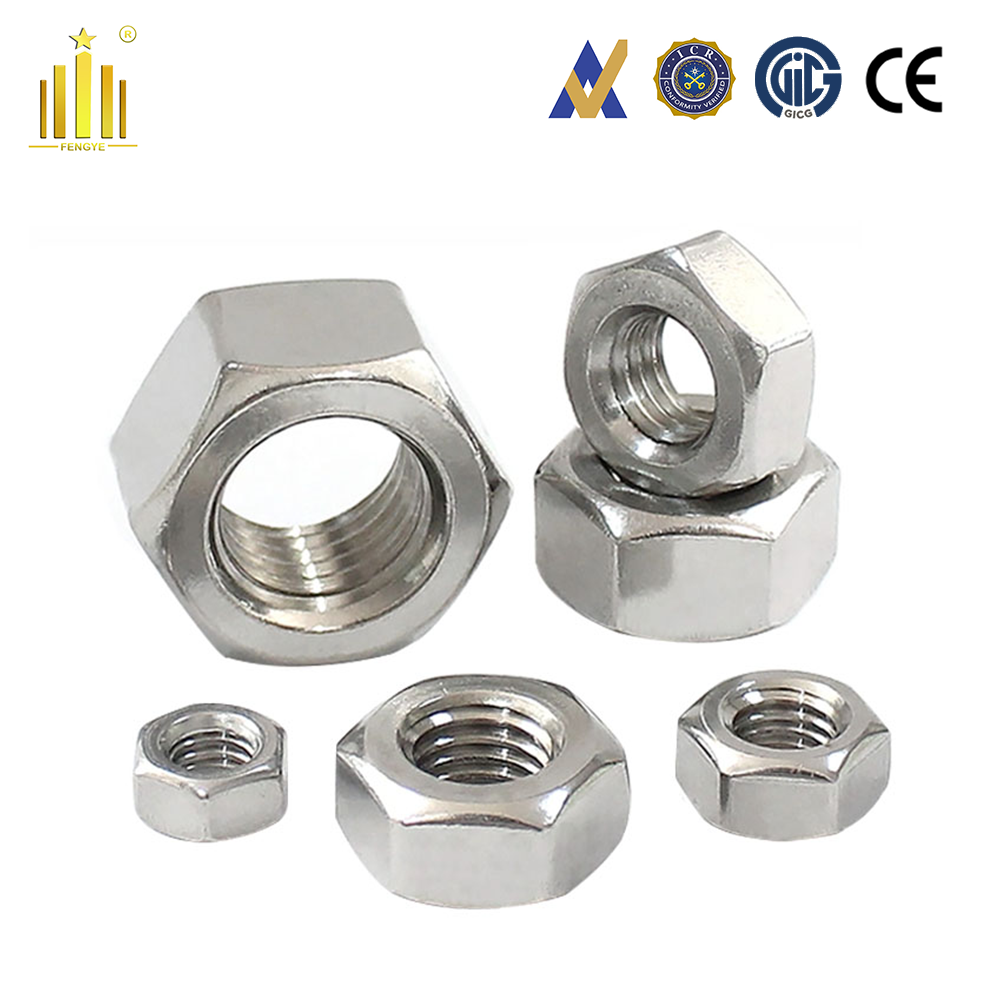
Nuts are internally threaded parts, mostly in the shape of flat hexagons, and also available in flat square or cylindrical forms. Matched with bolts, studs or machine screws, they fasten multiple components into an integrated assembly.
-
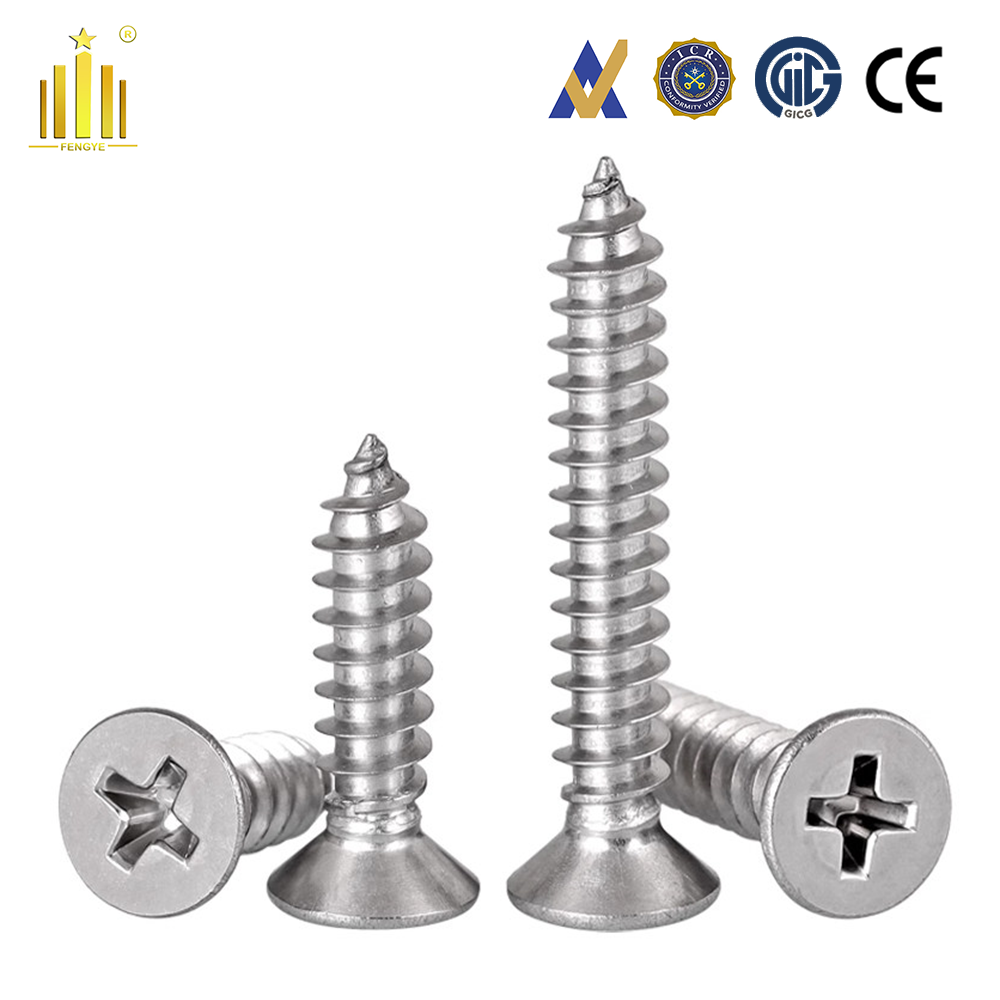
Self-tapping Screws
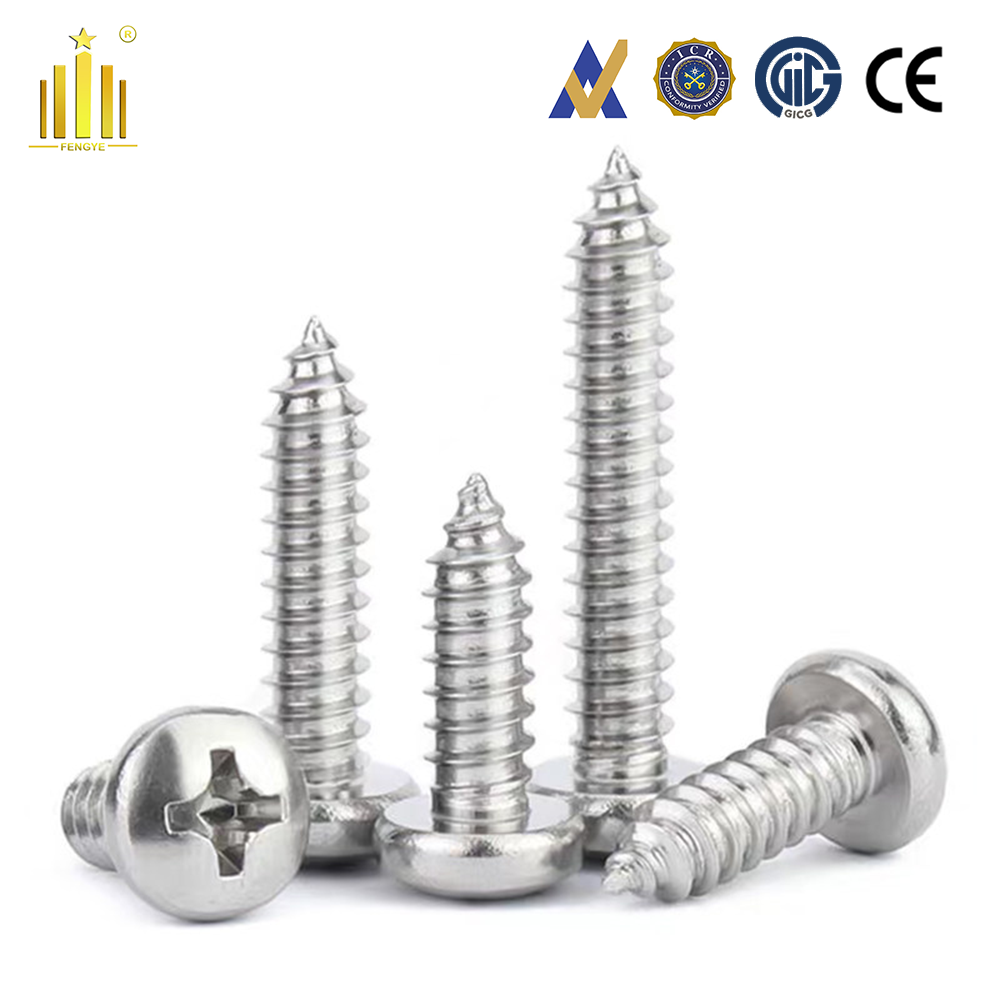
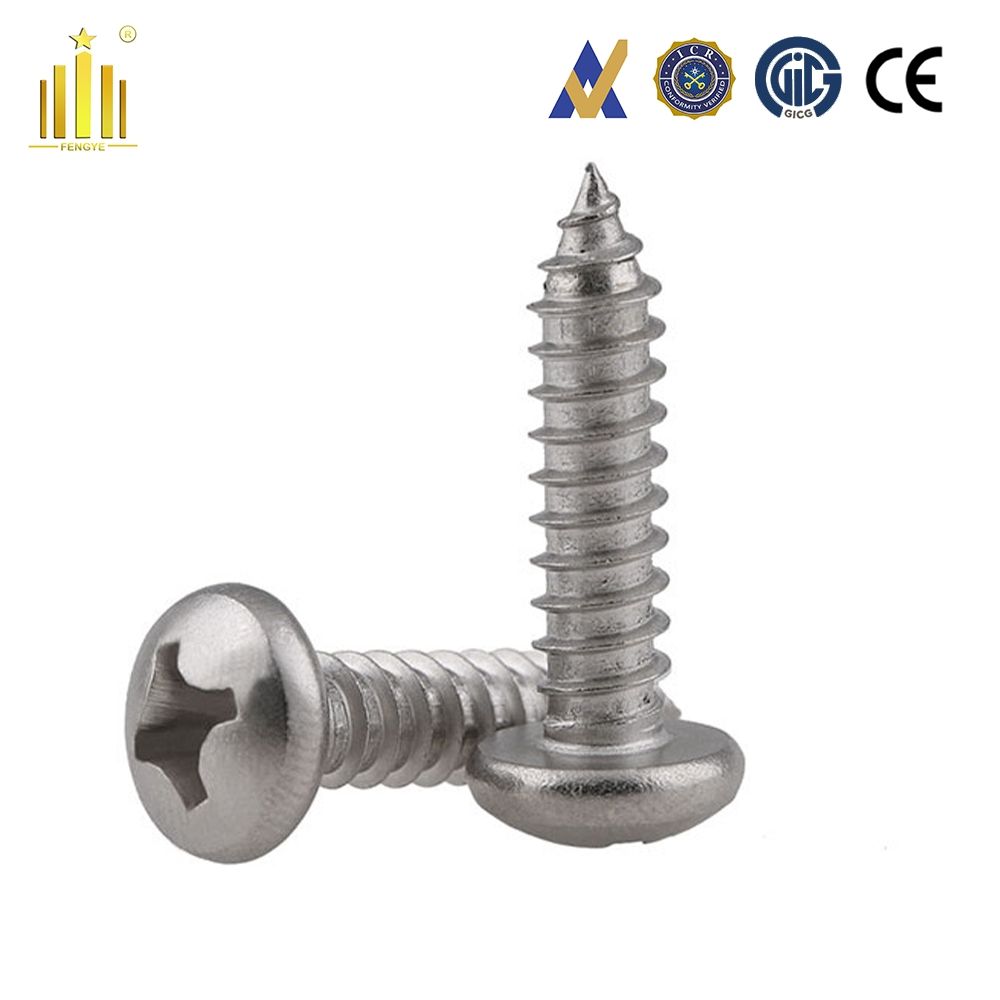
Similar to machine screws in appearance, self-tapping screws adopt dedicated self-tapping threads. They are used to join thin metal components with pre-drilled holes. Featuring high hardness, they can be directly screwed into pre-drilled holes to form internal threads, and the connection is detachable.
-
Wood Screws
Structurally similar to machine screws, wood screws are fitted with special wood threads. They can be directly driven into wooden components to fasten holed metal or non-metal parts to wooden workpieces. This type of connection is detachable.
-
Washers
Washers are flat annular parts placed between the bearing surface of bolts, screws or nuts and connected components. Plain washers enlarge the contact area, reduce surface pressure and protect workpieces from damage. Spring washers can additionally prevent nuts from loosening.
-
Retaining Rings
Mounted on shaft grooves or bore grooves of machinery and equipment, retaining rings restrict the axial movement of parts on shafts or in holes.
-
Pins
Pins are mainly used for component positioning. They can also serve for connection, fixing, power transmission or locking other fasteners.
-
Rivets
Made up of a head and a shank, rivets connect two holed components via riveting, which is a non-detachable joint. The connected parts can only be separated by destroying the rivets.
-
Assemblies and Fastener Assemblies
Assemblies refer to fasteners supplied in combinations, such as machine screws, bolts or self-tapping screws paired with plain washers, spring washers or lock washers. Fastener assemblies are complete sets of special bolts, nuts and washers, for instance, high-strength large hexagon bolt assemblies for steel structures.
-
Weld Studs
Composed of a shank and a head (some are headless), weld studs are welded onto components to connect with other parts subsequently.
Relevant Standards
All types of fasteners are subject to a series of specialized standards, which are mainly divided into five categories:
-
Dimension Standards
They specify basic product dimensions. For threaded fasteners, requirements also cover basic thread dimensions, thread run-out, shoulder distance, relief grooves, chamfers and end dimensions of externally threaded parts.
-
Technical Specification Standards
a)
Tolerance Standards: Stipulate dimensional tolerances and geometric tolerances of products.
b)
Mechanical Property Standards: Define marking rules for mechanical property grades as well as relevant indicators and requirements. Some products adopt standards for material properties or service performance instead.
c)
Surface Defect Standards: Specify types and acceptance criteria of surface defects.
d)
Surface Treatment Standards: Regulate types and technical requirements of surface treatments.
e)
Testing Standards: Lay down test methods for various performance indicators.
-
Inspection, Marking and Packaging Standards
They define sampling items, acceptance criteria, sampling plans for factory inspection, as well as rules for product marking and packaging.
-
Marking Standards
Standardize complete marking and simplified marking methods for products.
-
Other Standards
Including standards for fastener terminology, product weight and other related specifications.
 QUICK VIEW
 QUICK VIEW




 English
 中文简体
中文简体